
HAPPINESS NEVER CEASE.
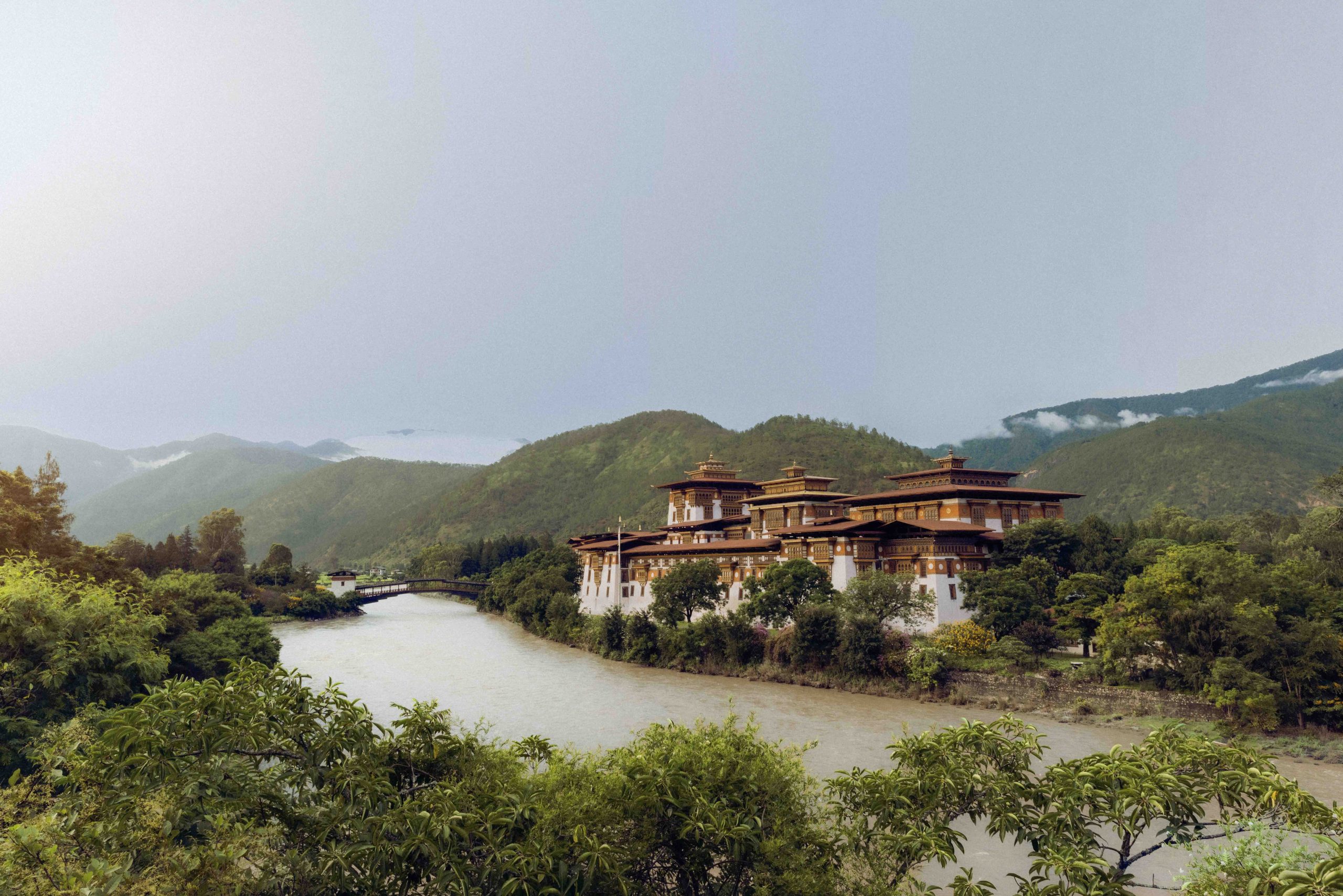
Bhutan is a small, peaceful Himalayan kingdom located in South Asia, nestled between India and China (Tibet Autonomous Region). Known as “Druk Yul”, meaning Land of the Thunder Dragon, Bhutan is a country of dramatic landscapes, towering mountains, lush green valleys, and deeply rooted cultural traditions.
Its isolation for centuries has preserved its unique identity, making it one of the most exclusive and fascinating travel destinations in the world.
Thimphu – Political & cultural heart
Paro – Home to iconic Paro Taktsang (Tiger’s Nest)
Punakha – Historic dzongs & scenic valleys
Bumthang – Spiritual & cultural hub
Trashigang – Eastern Bhutan exploration
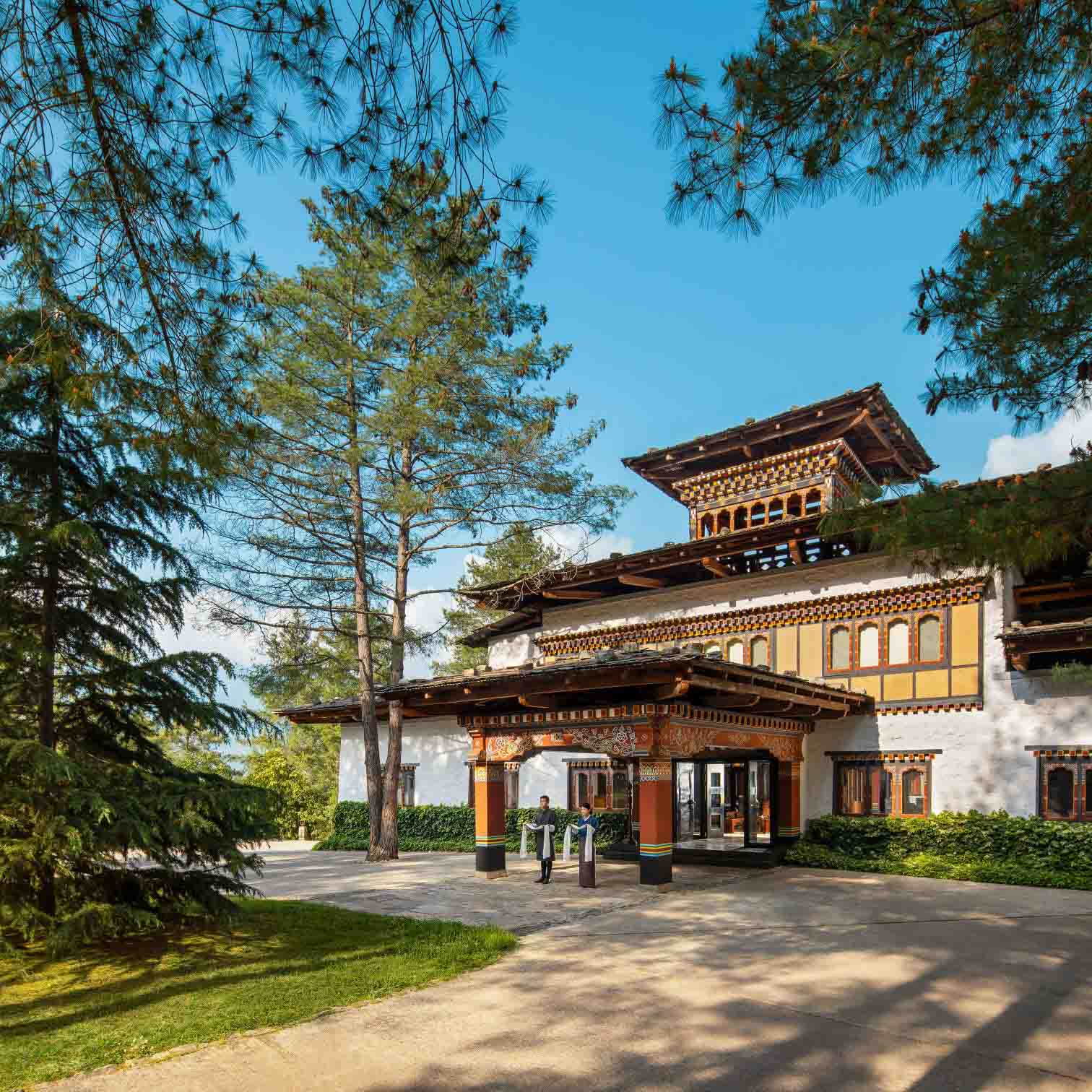
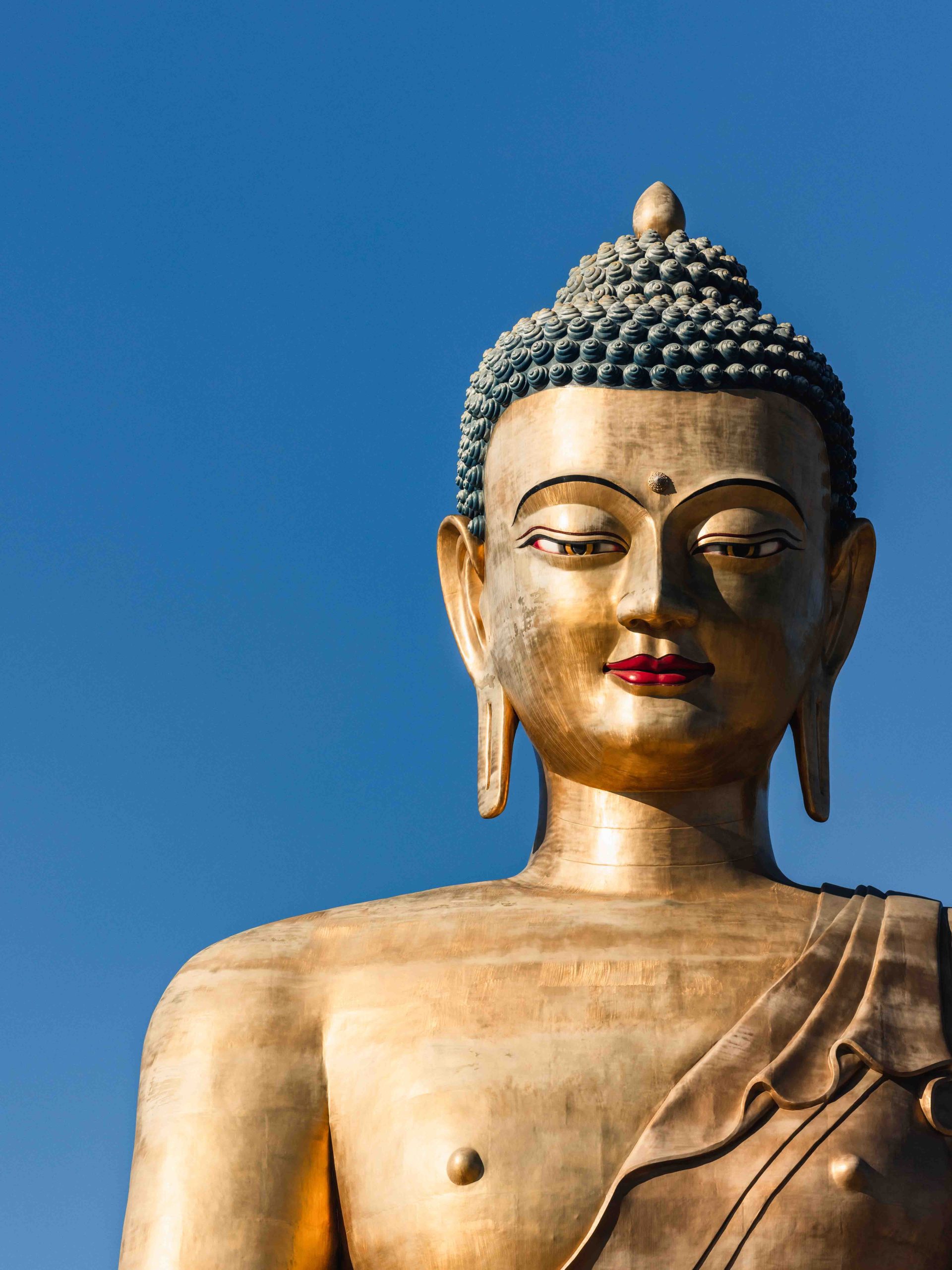
Bhutan is one of the most fascinating and unique countries in the world. Tucked away in the Eastern Himalayas, this small kingdom preserves its traditions, environment, and spiritual values in a way that offers an enriching experience to every visitor.
Every traveller should know the following:
Bhutanese culture is deeply spiritual, and visitors should respect local traditions.Travel permits or visas are required prior to arrival (except Indian nationals with
permits on arrival).
Travellers should prepare for high-altitude climates and mountainous terrain.
Local customs, etiquette, and dress codes are important when visiting dzongs and monasteries.Eco-conscious travel is encouraged to protect Bhutan’s pristine environment.
USD 100 per night
INR 1,200 per night
USD 15 per night
To ensure High Value, Low Impact tourism, Bhutan levies the Sustainable Development Fee (SDF). The revenue from the SDF is allocated by the government for socio-economic development, better infrastructure, and high-quality services that enhance the travel experience while preserving Bhutan's pristine environment and rich cultural heritage.
Bhutan’s national identity is deeply rooted in Buddhism, cultural heritage, and environmental preservation. Known as the Land of the Thunder Dragon (Druk Yul), Bhutan is the last remaining Buddhist kingdom in the Himalayas.
The nation’s identity is reflected through the Dragon flag, traditional Gho and Kira attire, the Dzongs (fortresses), and sacred festivals like the Tshechus.
The philosophy of Gross National Happiness (GNH) embodies Bhutan’s commitment to well-being, sustainability, culture, and spiritual values over material wealth.
Bhutan is a constitutional monarchy with a parliamentary democracy, balancing tradition and modern governance.
The government has an elected National Assembly and National Council. The Prime Minister leads the government efficiently.
Bhutan preserves its cultural heritage while implementing modern systems. Spiritual values and traditional practices remain central.
The King of Bhutan, Druk Gyalpo, is head of state, guiding governance while respecting democratic principles.
The official currency of Bhutan is the Ngultrum (BTN), equivalent in value to the Indian Rupee (INR). Indian Rupees are widely accepted throughout Bhutan.
Major banks in Bhutan include:
ATMs and card services are available in all major districts including Thimphu, Paro, Punakha, and Phuentsholing. Many hotels and shops accept cards, though smaller establishments may prefer cash. Foreign currency can be exchanged at banks and authorized counters nationwide.
The nation's oldest and largest bank, offering complete digital and mobile banking services.

Leading innovation with online banking, card services, and international transactions.
A joint venture with Punjab National Bank providing trusted banking across Bhutan.

Privately owned with personalized services focused on innovation and customer care services.
Empowering rural and agricultural communities with accessible banking support.
Bhutan is a biodiversity hotspot with over 70% forest cover and numerous protected national parks. It is home to:
Bhutan’s commitment to conservation makes it a paradise for nature lovers, ecotourists, and photographers. Bhutan is not just a place to visit—it is a place to experience deeply. From its rich culture, spiritual depth, and warm people to its majestic landscapes, thriving biodiversity, and meaningful way of life, Bhutan is truly a destination like no other.
Travel Finder Tours Bhutan is here to guide you through every step of your journey—ensuring a smooth, enriching, and unforgettable experience in this extraordinary Himalayan kingdom.
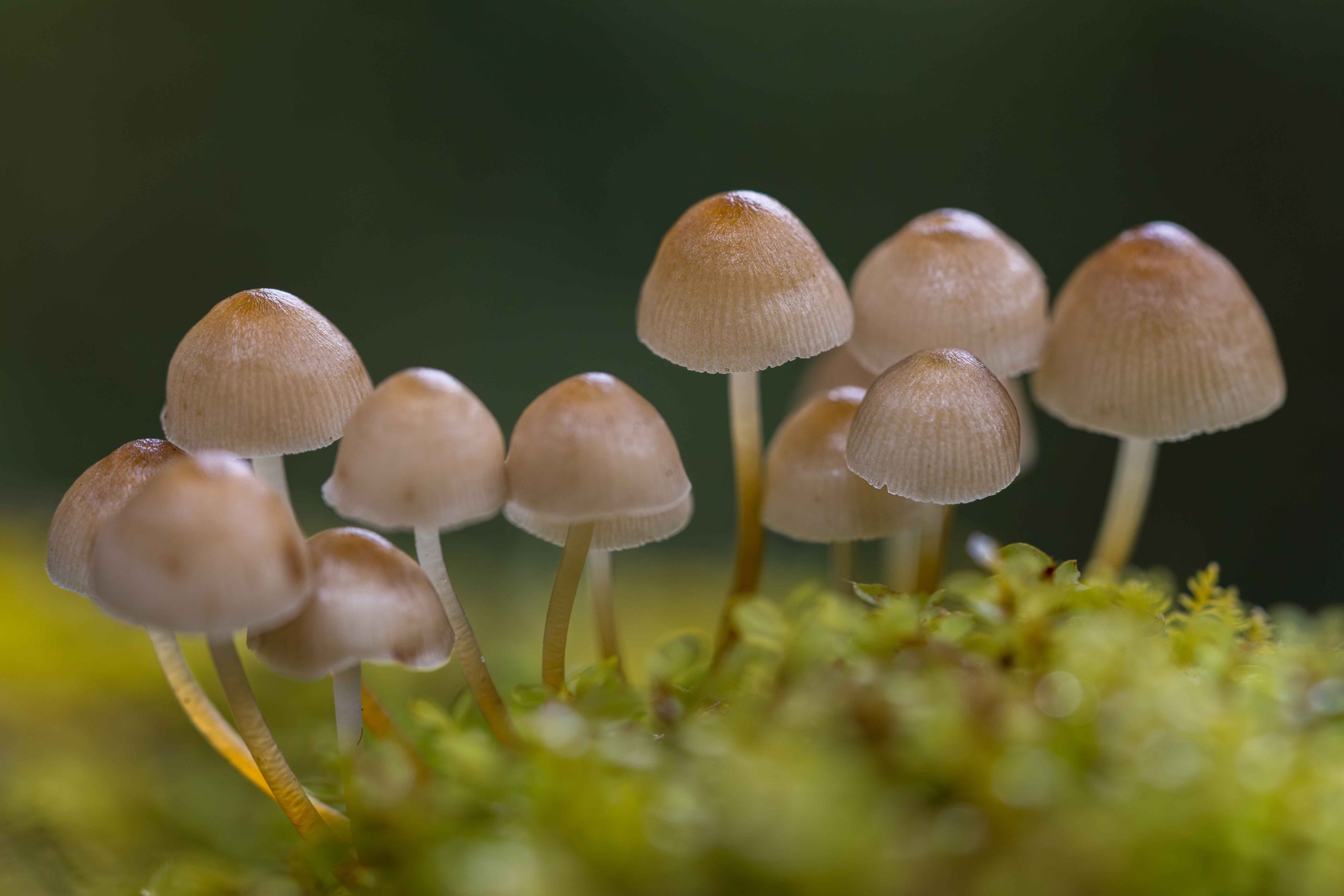
Bhutan offers some of the world's most breathtaking trekking experiences, with pristine trails, dramatic mountain landscapes, and deep cultural immersion. From gentle hikes through forested valleys to challenging high-altitude expeditions, every trek offers a glimpse into Bhutan's untouched natural beauty and timeless traditions.
The official language of Bhutan is Dzongkha. However, many other languages and dialects are spoken across the country, including:
English is widely used in education and administration, and most people working in tourism speak English, making travel easy for international visitors.
As of recent estimates, Bhutan has a population of approximately 780,000 people. The population is ethnically diverse, with three main groups:
Bhutanese society is known for its hospitality, warmth, and simplicity, making visitors feel welcome and at home.
Bhutan offers a truly profound cultural immersion for travelers seeking authentic and meaningful experiences. The country's rich spiritual heritage, vibrant traditions, and warm hospitality allow visitors to connect deeply with the Bhutanese way of life.
Experience grand religious festivals with sacred mask dances, music, and joyful community gatherings such as Paro, Thimphu, or Punakha Tshechu.
Explore architectural masterpieces like Punakha Dzong, Paro Rinpung Dzong, and Trongsa Dzong, steeped in history and devotion.
Join locals in lively archery matches filled with singing, dancing, and laughter — a true reflection of Bhutanese camaraderie.
Taste dishes like Ema Datshi, Phaksha Paa, and red rice, or attend a cooking class using organic ingredients.
Stay with a Bhutanese family, share meals, and learn traditional customs for a heartwarming connection to local life.
Observe chanting ceremonies or join retreats in serene sites like Tiger's Nest, Bumthang, or Punakha for quiet reflection.
Discover Bhutan's 13 traditional arts (Zorig Chusum) and shop for handmade crafts that embody Bhutan's artistic spirit.
Engage in seasonal farming, weaving, or cooking in the countryside while surrounded by terraced fields and scenic beauty.
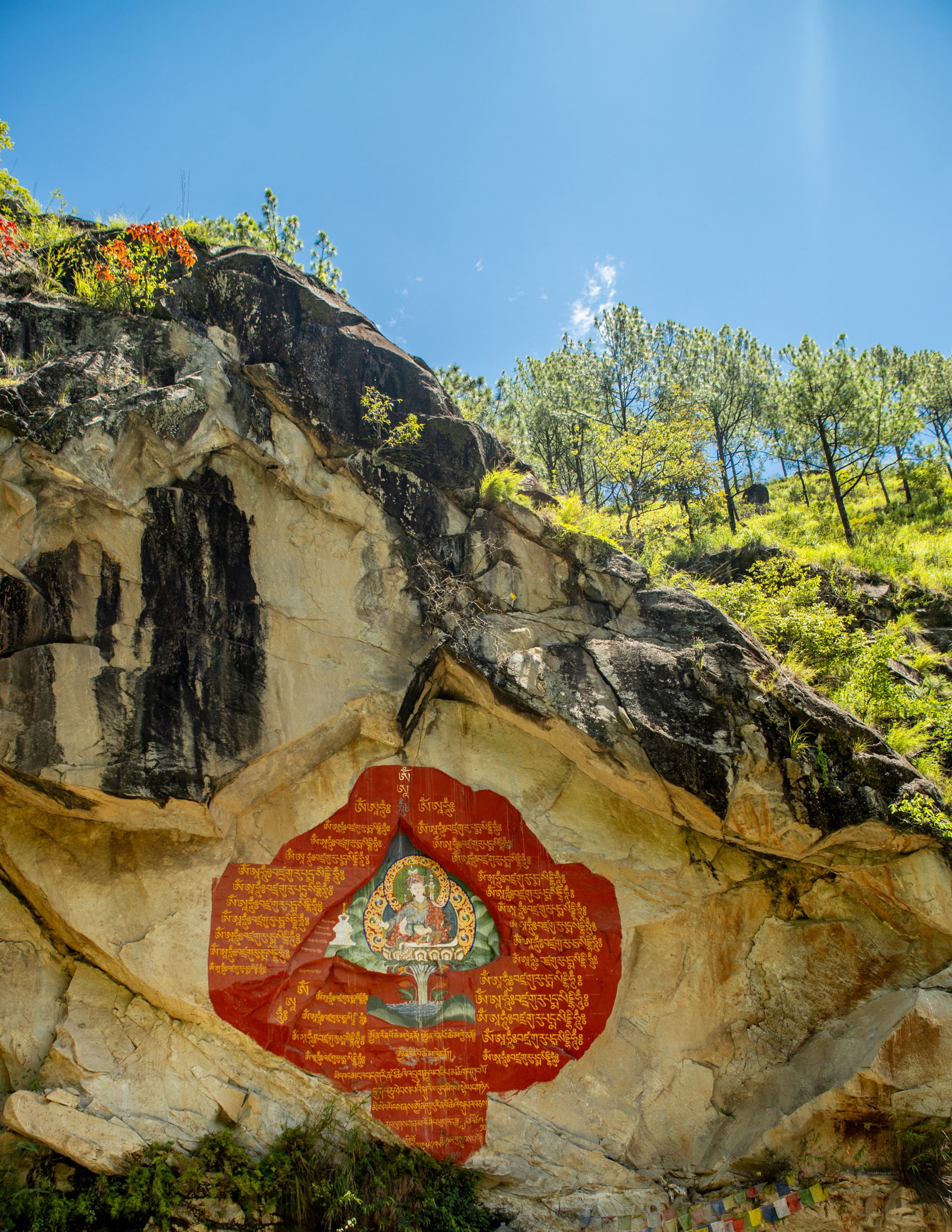
Bhutan’s climate is as diverse as its dramatic topography. Stretching from subtropical plains in the south to towering snow-capped Himalayan peaks in the north, the country’s altitude ranges from just 150 meters to over 7,000 meters above sea level—creating a wide spectrum of weather conditions across regions.
In the southern lowlands, Bhutan experiences a hot and humid subtropical climate that remains fairly stable throughout the year, with temperatures ranging between 15°C and 30°C. This region is lush and green, thanks to the high rainfall and tropical vegetation.
As you move into the central highlands, the climate becomes temperate, with warm summers and cool, dry winters. These areas are characterized by rolling hills, fertile valleys, and rich deciduous forests perfect for agriculture, cultural tours, and scenic drives.
In the northern alpine region, the weather turns harsh. Winters are long and extremely cold, with permanent snow cover on the peaks and high passes. Even in summer, the elevated terrain keeps temperatures low, offering pristine alpine beauty ideal for high-altitude treks and adventure travel.
Bhutan is heavily influenced by the South Asian monsoon, which arrives from late June to late September. This period brings heavy rainfall, especially to the southern and western parts of the country. In fact, 60% to 90% of the annual rainfall in the western valleys occurs during the monsoon season.
Annual precipitation varies greatly based on location:
Bhutan’s topography is not just about elevation—it’s about contrast and beauty. From the emerald river valleys of Punakha and Bumthang to the rugged, glaciated mountains in the far north, Bhutan offers travelers a constantly changing landscape that is both visually stunning and ecologically rich.

