
HAPPINESS NEVER CEASE.
Bhutan’s monarchy represents stability, cultural preservation, and visionary leadership. Although the country transitioned to a democratic constitutional monarchy in 2008, the kings remain central figures in guiding national development and shaping Bhutan’s identity. The first king, Ugyen Wangchuck, unified the nation in 1907 and established the hereditary monarchy, laying the foundation for modern Bhutan.
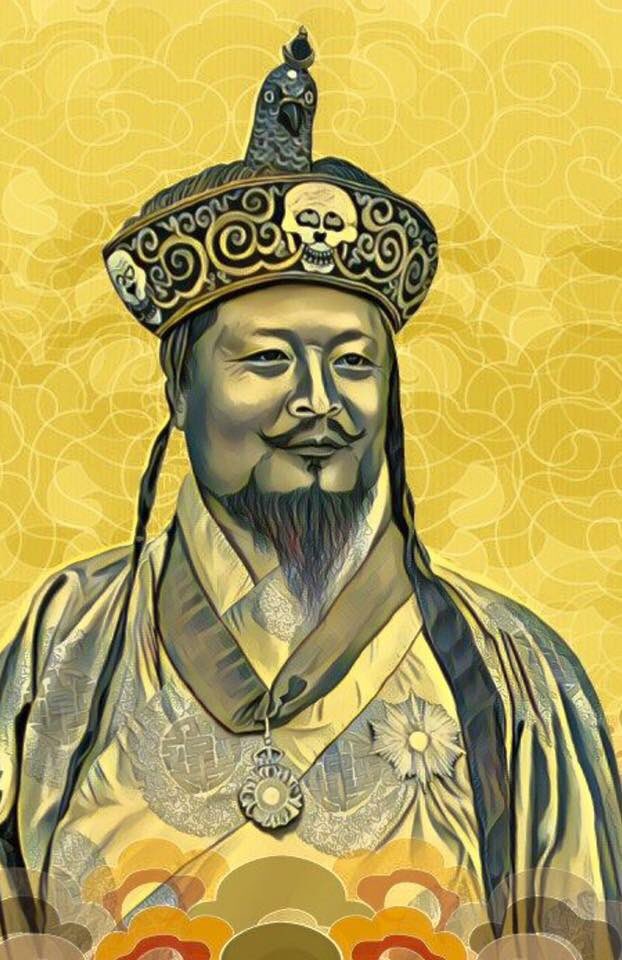
Successive monarchs led Bhutan through modernisation while respecting traditional values. His Majesty King Jigme Singye Wangchuck, the fourth king, introduced the groundbreaking philosophy of Gross National Happiness (GNH), focusing on holistic well-being over economic gain. GNH remains the core guiding principle in national policy.
Today, His Majesty King Jigme Khesar Namgyel Wangchuck, the fifth king, is celebrated for his progressive vision, compassion, and dedication to his people. He actively engages with citizens through village visits, public consultations, and participation in cultural events, demonstrating a leadership style rooted in empathy and service.


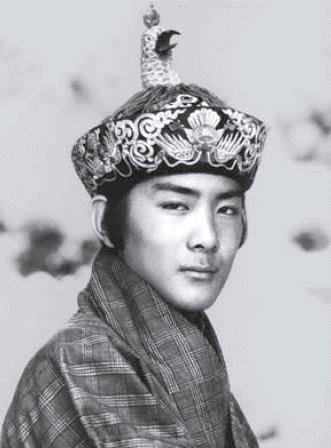

The Bhutanese monarchy is admired for its unique balance of modern governance and cultural preservation. By prioritising national happiness, environmental protection, and cultural identity, the kings of Bhutan have positioned the country as a global example of harmonious development grounded in values, wisdom, and compassion.

