
HAPPINESS NEVER CEASE.
Tea in Bhutan is more than just a beverage—it is a symbol of hospitality, cultural tradition, and everyday life. Butter tea, made from tea leaves, yak butter, and salt, is a staple in colder regions and is often served to guests as a gesture of warmth, respect, and welcome. Families typically prepare tea multiple times a day, using it as a way to connect and express gratitude.
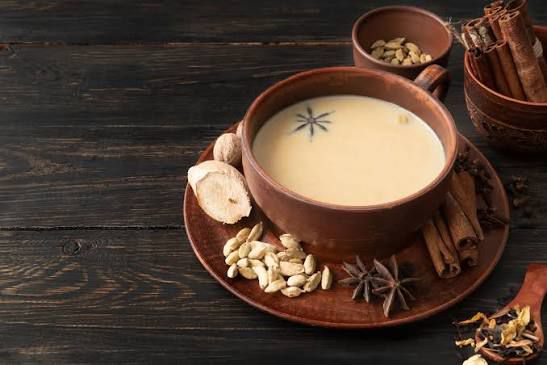
Modern tea houses in Bhutan now offer a variety of teas, including green, black, and herbal blends, combining traditional flavors with contemporary preferences. Tea ceremonies are often paired with local snacks, creating a communal atmosphere that fosters mindfulness and deep connection among guests.
Travelers can visit tea gardens, engage with local producers, and participate in guided tasting sessions to explore the unique characteristics of Bhutanese teas. These immersive experiences provide insight into both traditional methods and Bhutan’s evolving tea culture.

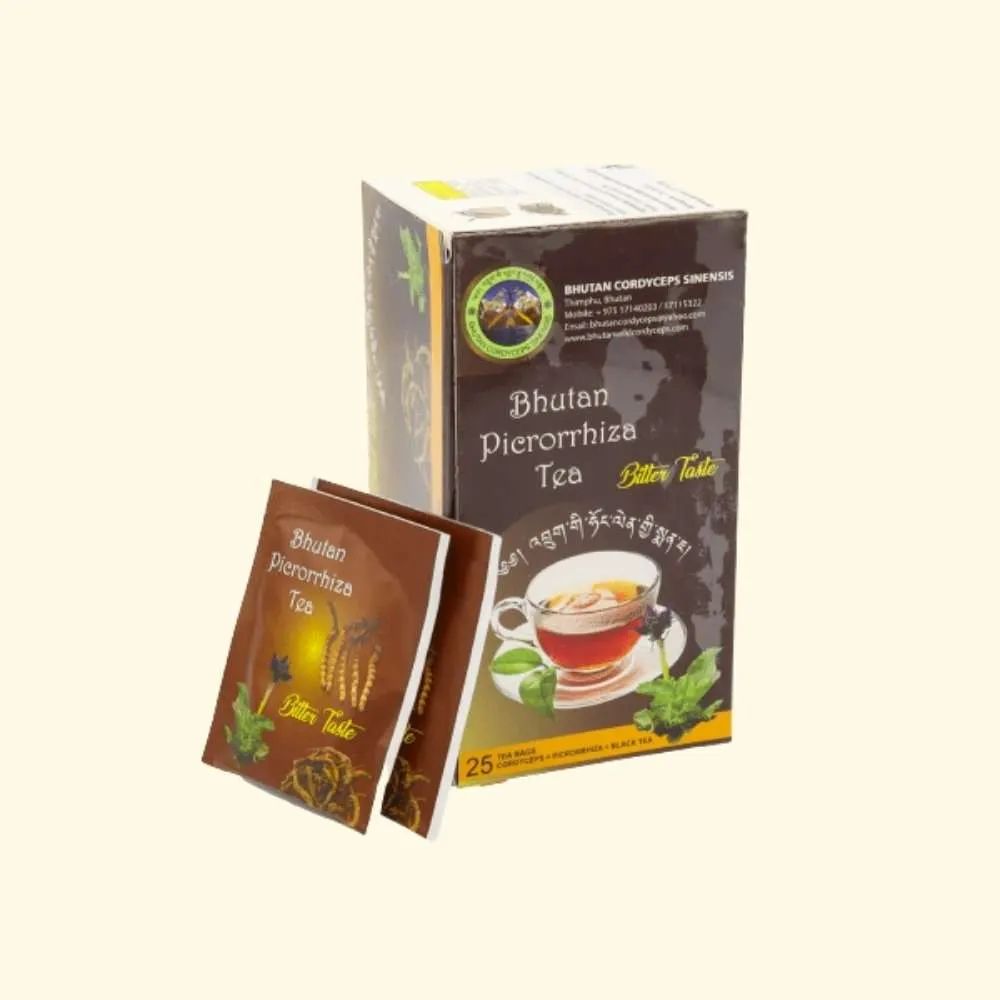
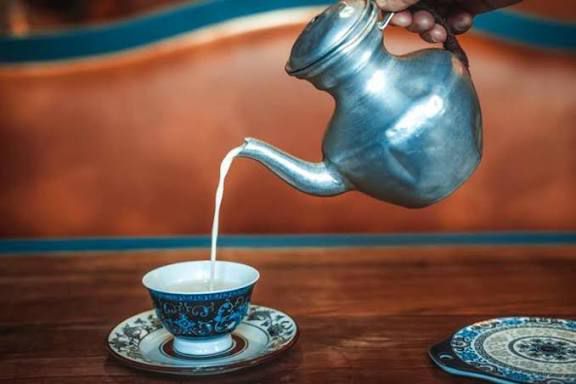
Bhutan’s tea culture beautifully represents the balance between practicality and spirituality. Beyond nourishment, tea is a medium for conversation, a symbol of kindness, and a moment of reflection. Experiencing tea in Bhutan offers travelers a sensory journey that connects them to local life, history, and tradition in the most authentic and heartfelt way.

